Explore Our Work
Established in 1998, Great Pond Foundation (GPF) leads in estuary science and restoration, using data generated by our programs for informed pond management. Our team builds strong partnerships with neighbors; fostering learning and expertise; and sharing tools and techniques.
Our Mission
To cultivate the resilience of our coastal pond ecosystems through science, collaboration, and education.
Science: GPF is staffed by a team of dedicated scientists committed to data integrity as well as keeping up with evolving technologies and standards. We monitor, analyze, evaluate, and interpret data to provide context about pond health for the Island community.
Collaboration: GPF works with conservation organizations, research institutions, local, state, and federal agencies that strengthen the resilience of coastal ponds. Engaging our own and other scientists, we seek to contribute to the field of estuary science and refine data-driven management techniques, to preserve the health of coastal ponds.
Education: GPF is committed to education of to all age groups across our Island community. Informed and engaged advocates help sustain our waters for future generations.
Resilience: GPF focuses its efforts on science, collaboration, and education to foster pond resilience. Healthy ecosystems are more resilient because biodiverse and abundant life makes them inherently more adaptable and responsive to changing environmental conditions.
Water Quality Monitoring Program
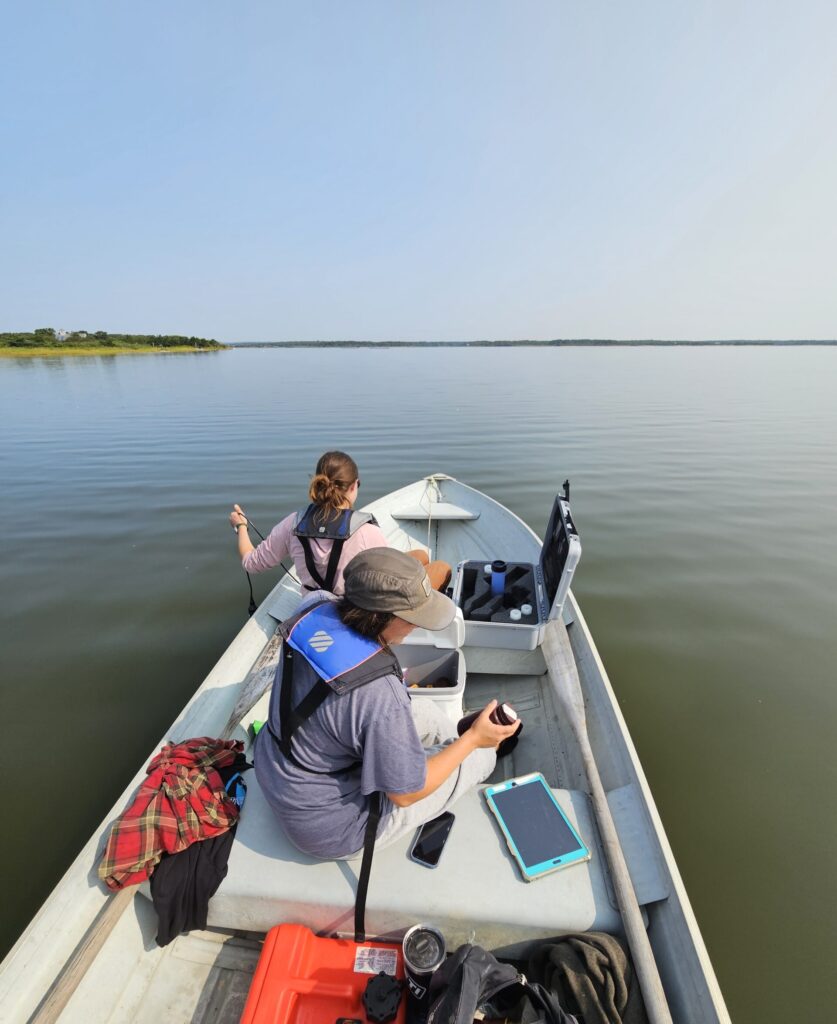
GPF regularly monitors water quality during the field season (May-October) on 5 coastal ponds weekly or biweekly. Thes ponds include Edgartown Great Pond, Chilmark Pond (in collaboration with Chilmark Pond Foundation), Crackatuxet Pond, Tisbury Great Pond, and Watcha Pond. The sampling data allows us to observe trends and identify any potential anomalies before they become detrimental.
MV CYANO Program
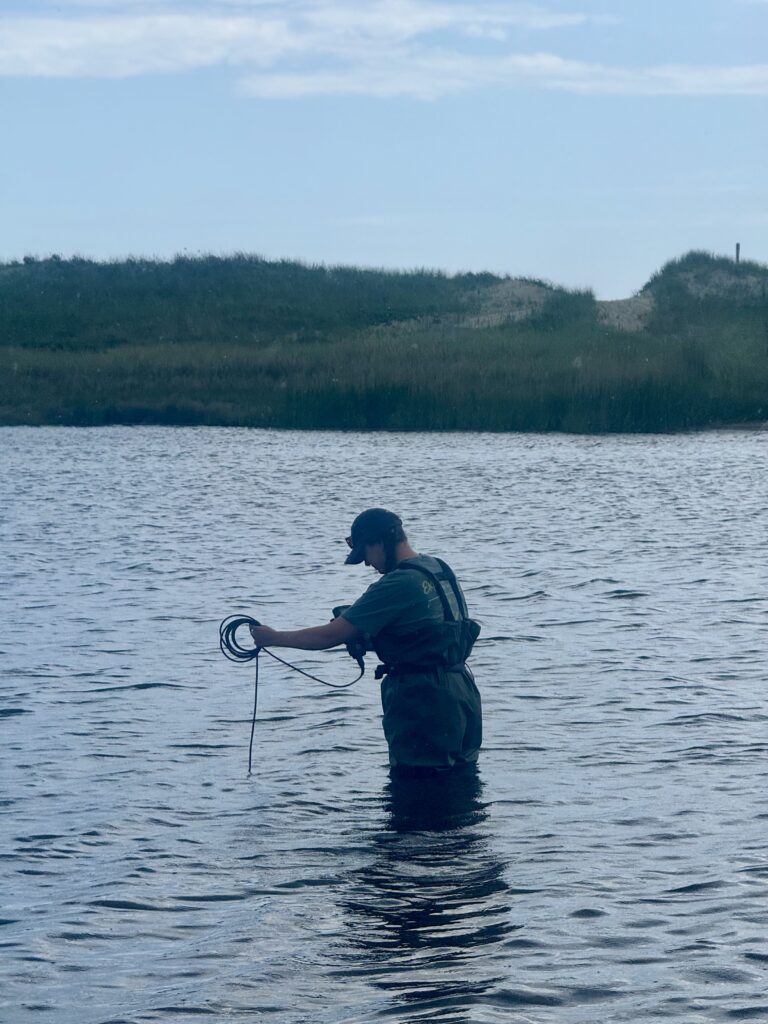
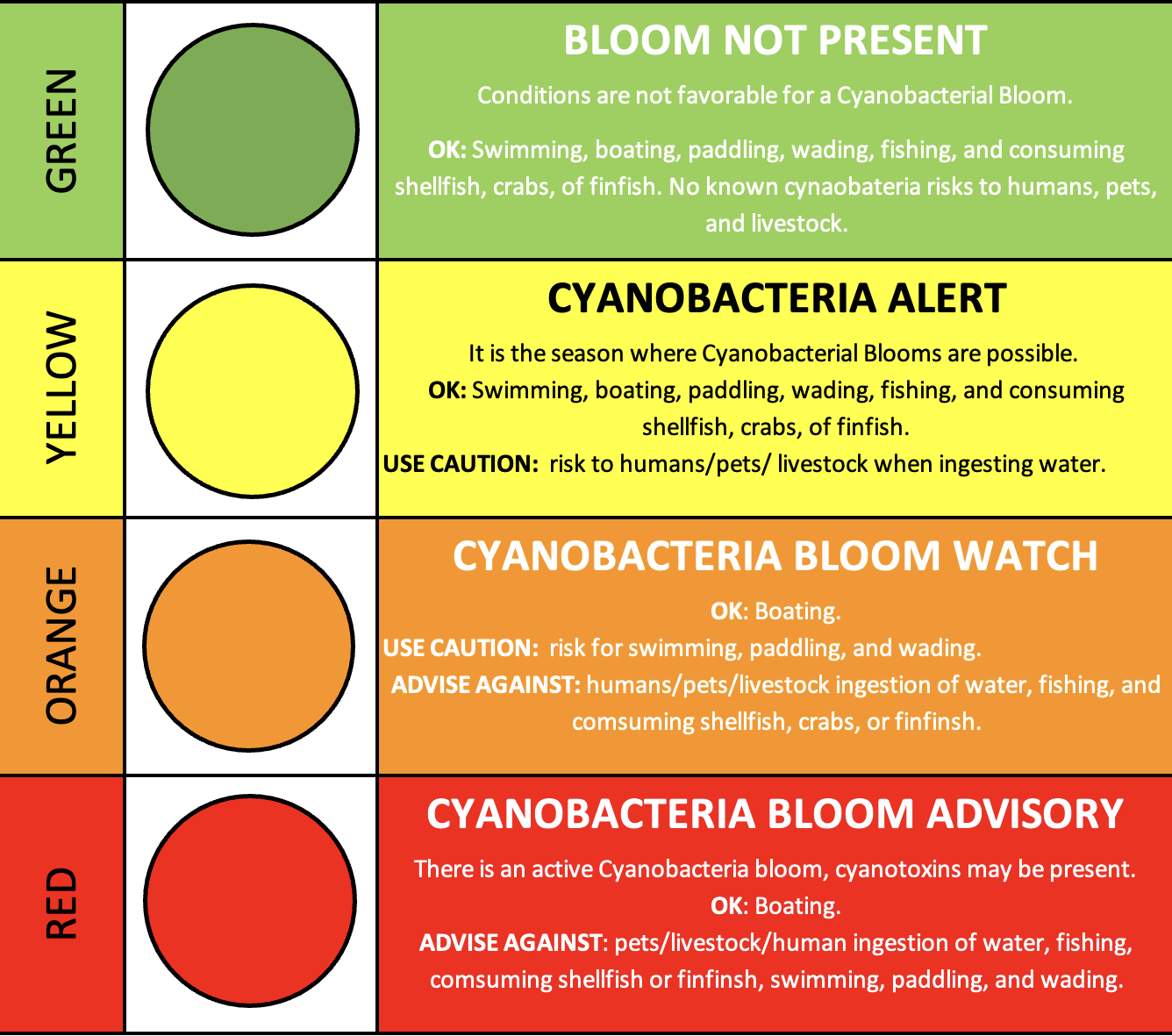
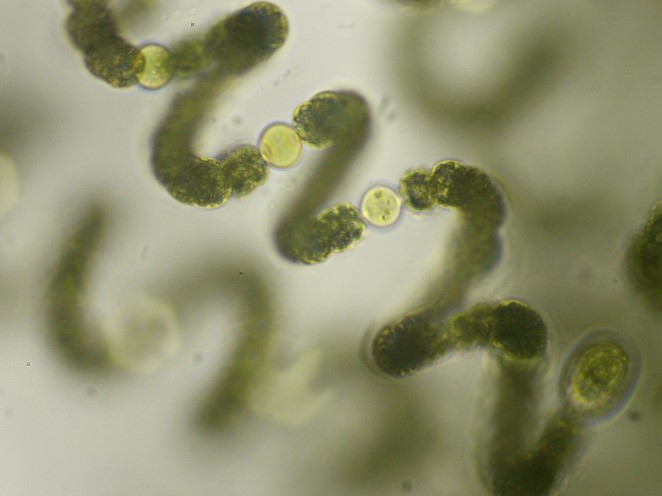
Great Pond Foundation’s scientific staff collect & analyze cyanobacteria samples weekly. Data and analyses are sent to Island Boards of Health for review. Island Boards of Health use Massachusetts and EPA recreational limits and issue public health recommendations. MV CYANO releases coordinated color-coded maps indicating the cyanobacteria bloom risk level and associated recommendations. Signage is also posted along pond shores if YELLOW, ORANGE, or RED risk levels are present.
Outreach & Education
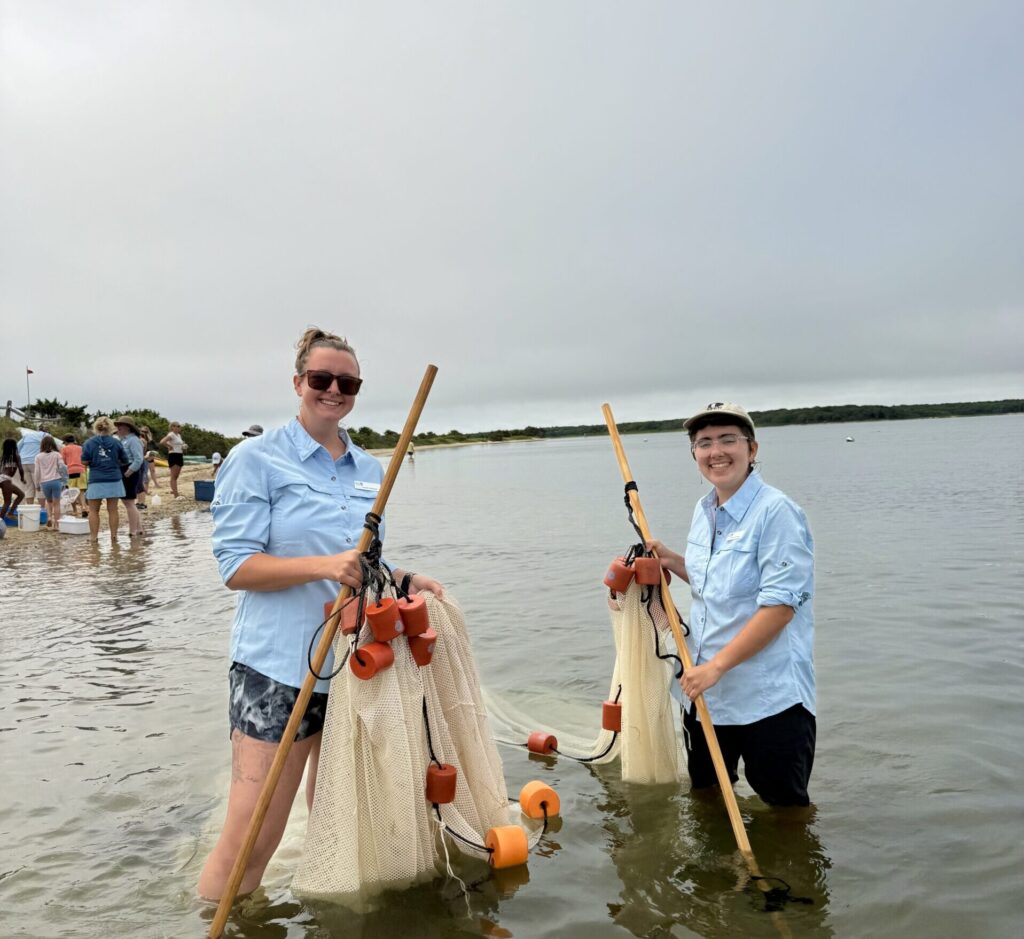
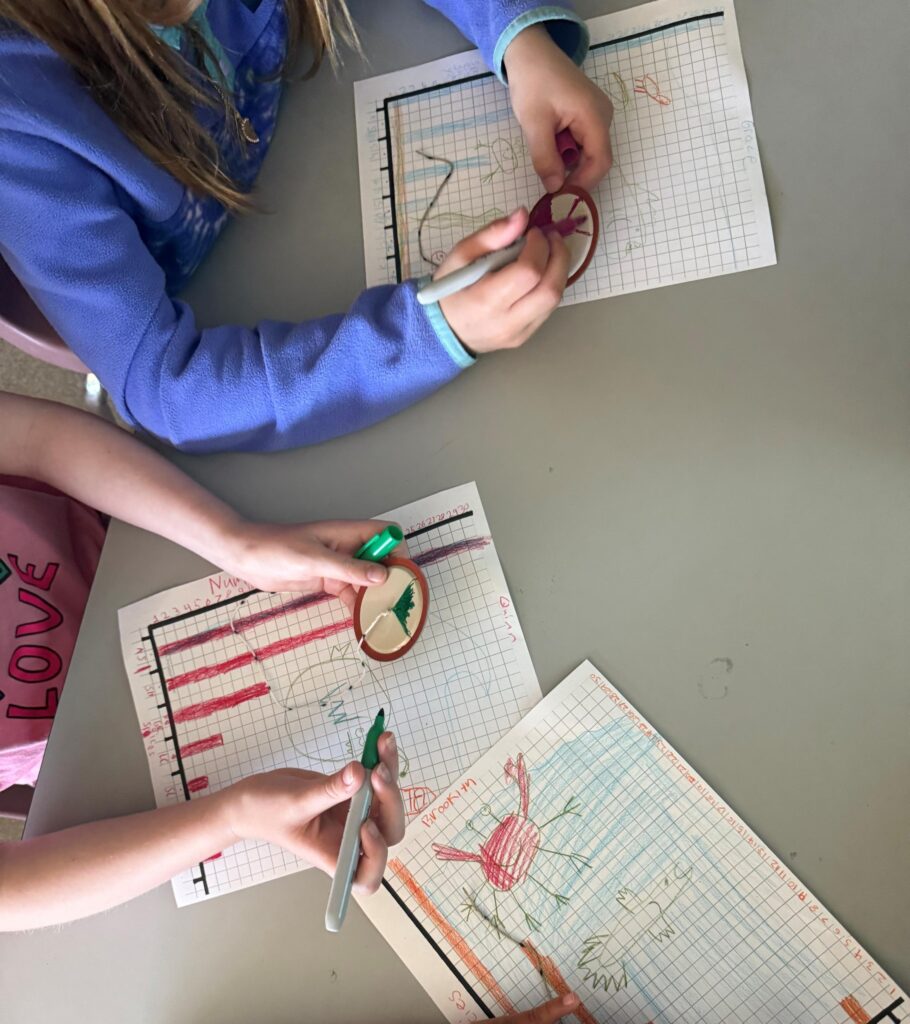
GPF is committed to connecting people with the coastal ponds and ecosystems that make Martha’s Vineyard unique. Through public presentations, educational activities, and community events, we provide engaging ways for community members of all ages to learn about our coastal pond ecosystems. From summer seine netting events to educational talks and outreach events throughout the year, our programs help foster a deeper understanding of coastal ecosystems and inspire stewardship of these valuable natural resources.
Collaborations
Much of what we do is in collaboration with research institutions, and other nonprofits. Our collaborators, past and present, include: